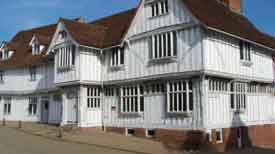
Lavenham is one of the best preserved Medieval villages in the UK, boasting some 320 listed timber-framed buildings, many of them protected by English Heritage. This unique village was created some 750 years ago by Henry III when he granted Lavenham ‘market status’, which stimulated the most prosperous period in the village’s history.
Until that Charter was granted, the Village had a thriving market – records show that in 1202 the Abbott of Bury St Edmunds complained it was overshadowing his market – but the Charter marked a turning point in Lavenham’s fortunes. Traders flocked to the village to take advantage of its thriving wool trade, and by 1524 Lavenham was ranked the 14th richest town in the country thanks to the famous Lavenham Blues cloth.
It’s not clear why Lavenham became the epicentre for the wool trade, but it might have been down to the fact that proportionately fewer people in Suffolk were bound to a local lord (41% of Suffolk people were Freemen compared to just 9% in neighbouring Essex) which enabled them to be entrepreneurial. However, we do know that the riches of Lavenham’s residents have left a unique legacy in the shape of the stunning timber-framed houses that they built to show off their wealth, as well as the Lavenham Guildhall) (pictured top). In this Tudor building, the ruling merchant class held court and fine-tuned the laws and trading regulations that helped create Lavenham’s wealth. Today the Guildhall is operated by the National Trust and contains a local history museum with exhibitions on the medieval cloth industry. There’s also a tranquil walled garden with dye plants used since the Middle Ages, so make a date to explore Lavenham’s history at the Guildhall.
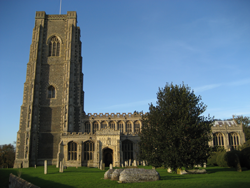
Other landmark buildings built during this 16C boom were the opulent St Peter and St Paul Church (below) and the Lavenham Priory.
One other legacy of the wool trade might also be unique craft shops specialising in handmade knitted clothes. As you stroll around Lavenham, you’ll see several of these independently owned and run shops and boutiques which have been lost from most High Streets.
The boom in Lavenham didn’t last as Flemish weavers settled in Essex and began to compete with indigenous weavers. Also, in the 16 century, Henry V111 imposed heavy taxes wherever he could to finance wars against France, so money was quickly drained from the village. As a result, residents couldn’t afford to rebuild these houses, so they were left intact, and where one family had previously shared a house, 3 or 4 families moved in to share the running costs and maintenance.
The village revived in the early 19C when the railway (since defunct alas) breathed new life into the area and opened it up for trading in coconut matting and horse hair manufacturing.
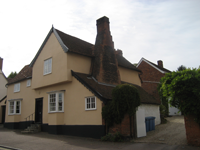
Today Lavenham is a thriving village with a strong community spirit. It has a hub of art galleries, some fantastic restaurants and hotels, plenty of cafes and pubs for pit stops, and lots of interesting buildings to visit.
Eating Out in Lavenham
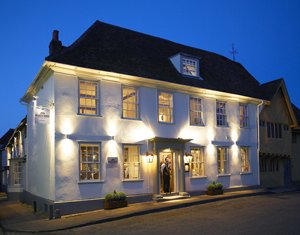
You will be spoilt for choice of where to eat in Lavenham as there’s plenty of first-class fare on offer. Two completely different options stand out – The Great House has 3 AA Rosettes for its award-winning French cuisine, which is the best in East Anglia. They also offer 5-star accommodation but book early as there aren’t many rooms! For a high-quality, luxury break in Lavenham, The Great House is the boutique hotel and restaurant that you’ll want to stay in.
Less formal but equally welcoming is The Lavenham Greyhound, which is a recently restored, food-led pub offering stylish country dining with great beer and wine. What more could you want? Found right in the heart of Lavenham, the Greyhound offers character and an imaginative and tasty twist on classic British dishes, so make your stay in Lavenham a memorable one and enjoy some of the best pub fares around.
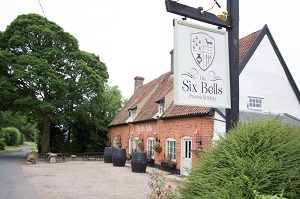
Close by is The Six Bells at Preston St Mary, some 4 miles away. This is a Grade 11 listed village pub offering fantastic ‘Pub Classics’ on their lunchtime and dinner menus, as well as local specials and fish sourced from Leigh On Sea. While away an afternoon watching the Six Nations or relaxing in their spacious garden, feel yourself at home in this picturesque part of the country.
Lavenham holds a Farmers Market on the fourth Sunday of every month in the beautiful space at Village Hall. Over 30 local traders attend the market, selling some of the region’s highest quality local produce. Stalls include fresh fruit & vegetables, home-baked cakes & pies, local pork & beef, Suffolk apple juice, jams & preserves, fresh pesto, plants & cut flowers and locally brewed real ales & wines. The fantastic kid-friendly Farmers’ Cafe serves delicious homemade soup, freshly baked cakes, Farmers’ Breakfasts & good quality coffee using local products direct from the market traders.
Lavenham Village Hall, Church St, Lavenham, CO10 9QT
FREE ENTRY, FREE PARKING. 10am until 1.30pm.
www.lavenhamfarmersmarket.co.uk
Find other local Farm Shops & Farmers Markets in Suffolk here. You will find everything you need to know about all the great things to do and places to see in the wonderful county of Suffolk on Suffolk Tourist Guide.
Lavenham is well worth a visit at any time of the year!
Related Content
- Accommodation in & around Lavenham
- Long Melford
- Bury St Edmunds
- Visit Lavenham
What did you get up to on your visit to Lavenham? What’s your favourite thing about Lavenham? Please send your comments and reviews to [email protected].